
Pictus-700
A fully automated, random-access, small-footprint floor-standing chemistry analyser. Two reaction trays and robotic arms take total throughput to 800 tests/hour, bringing features usually found only in higher-cost systems without the operating expense.
Efficiency
- 95 sample positions and 72 single reagent positions.
- First results within 45 seconds.
- Internal optional 4-channel ISE.
- Optimised walk-away operation.
Cost effective and optimised workflow
- Low water consumption — less than 5 l/hour.
- Minimal consumable usage and re-usable cuvettes.
- Real-time reagent inventory control.
- Real STAT sample capacity.
Easy to operate and learn
- Windows-based operating system with graphically represented, icon-driven menus.
- Flexibility for reagent applications.
- Intuitive post-dilution and result checking.
- Autocal and auto-QC features.
Reliable high quality operation
- ISE, dilutor and pumps from suppliers of proven technology.
- Capacitive level sensor and clot detector.
- Internal barcode reader for racks, samples and reagents.
- Clot, crash and liquid detection on both probes; pre-heated probe for faster test times; variable intensity mixer.
Get a quote
Tell us what your lab needs.
Share your throughput and test menu and we will confirm configuration, reagents and pricing.
Insights
12 Sept 2026
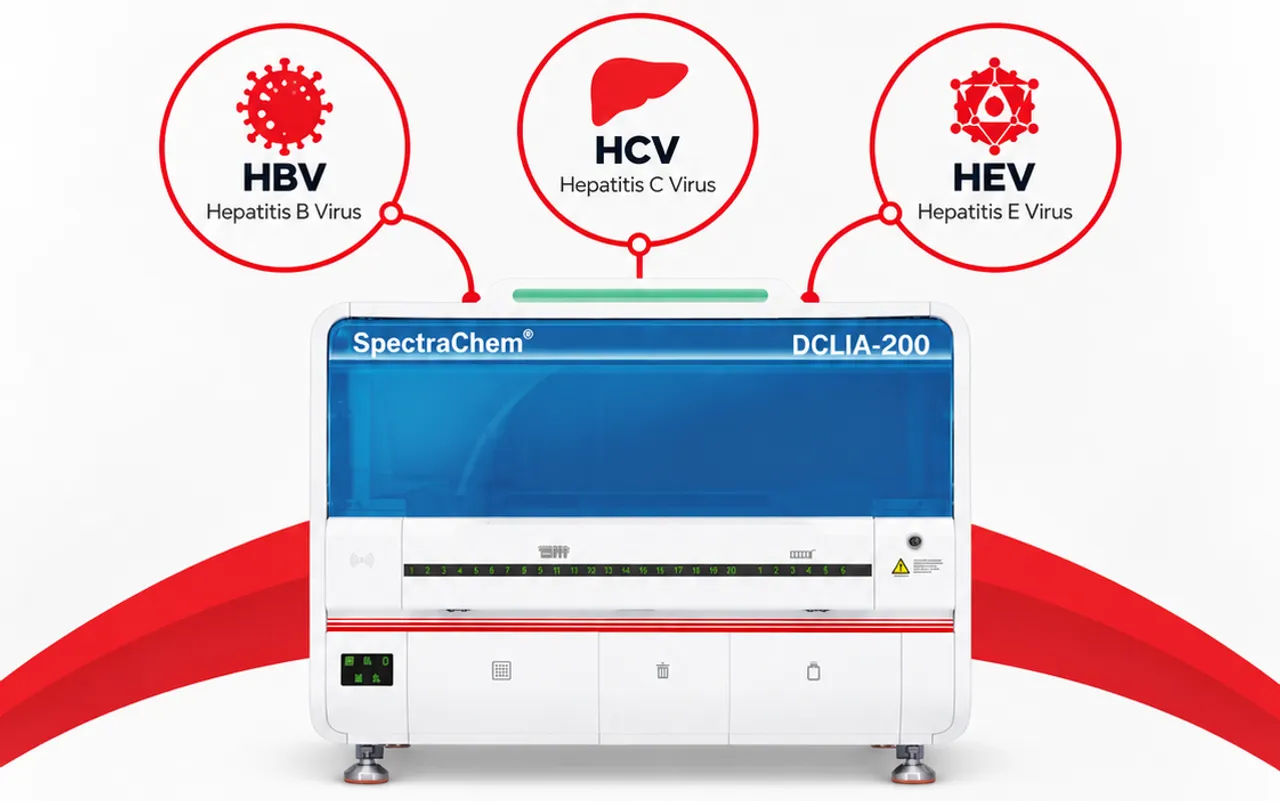
The hepatitis test most labs forget to run
HBV and HCV are routine in almost every Indian laboratory. HEV usually is not — it gets ordered only when a patient already looks like a hepatitis case. Here is why that gap matters, and what it takes to close it.
24 Jan 2026
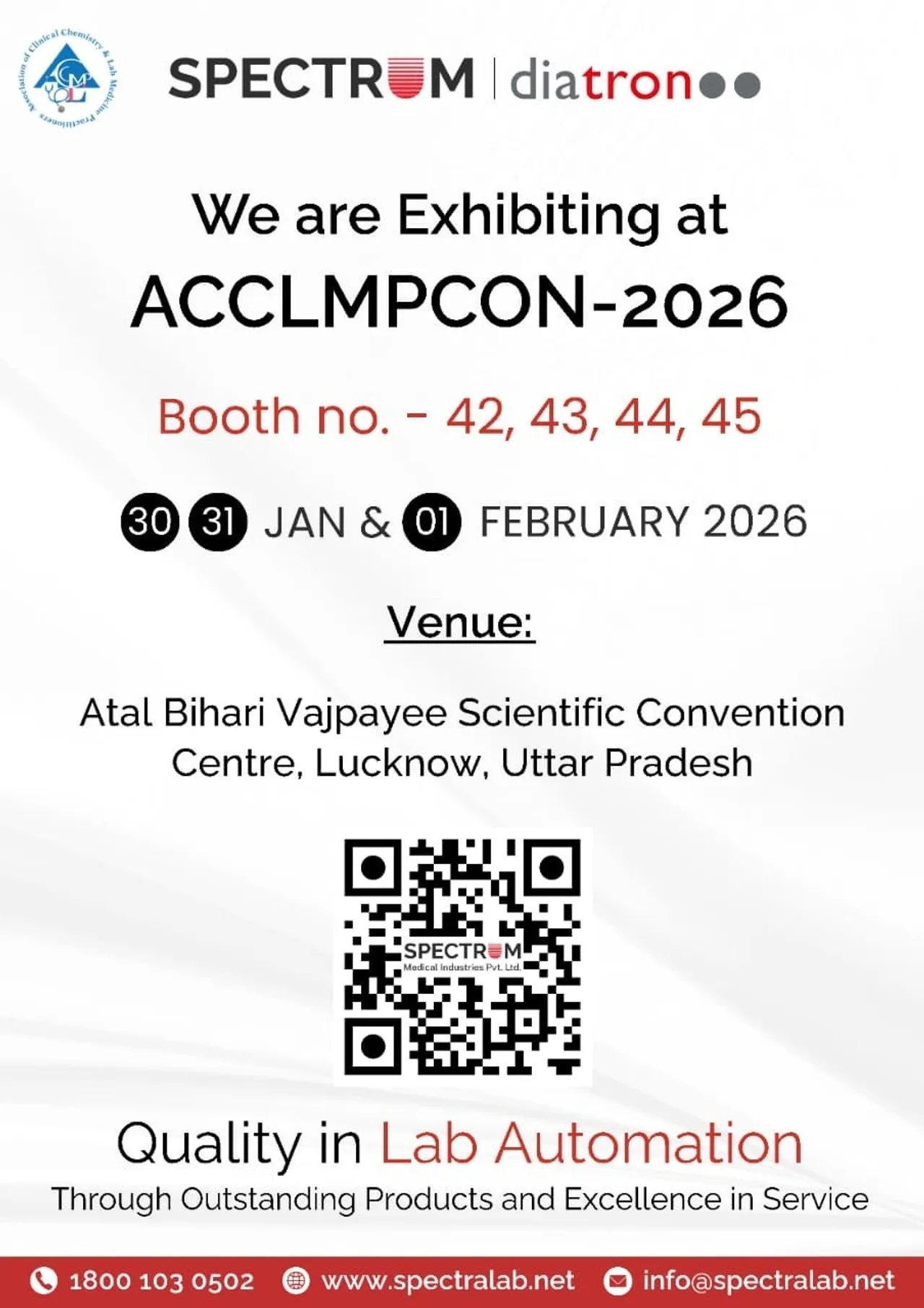
ACCLMPCON 2026
ACCLMPCON 2026
8 Feb 2025
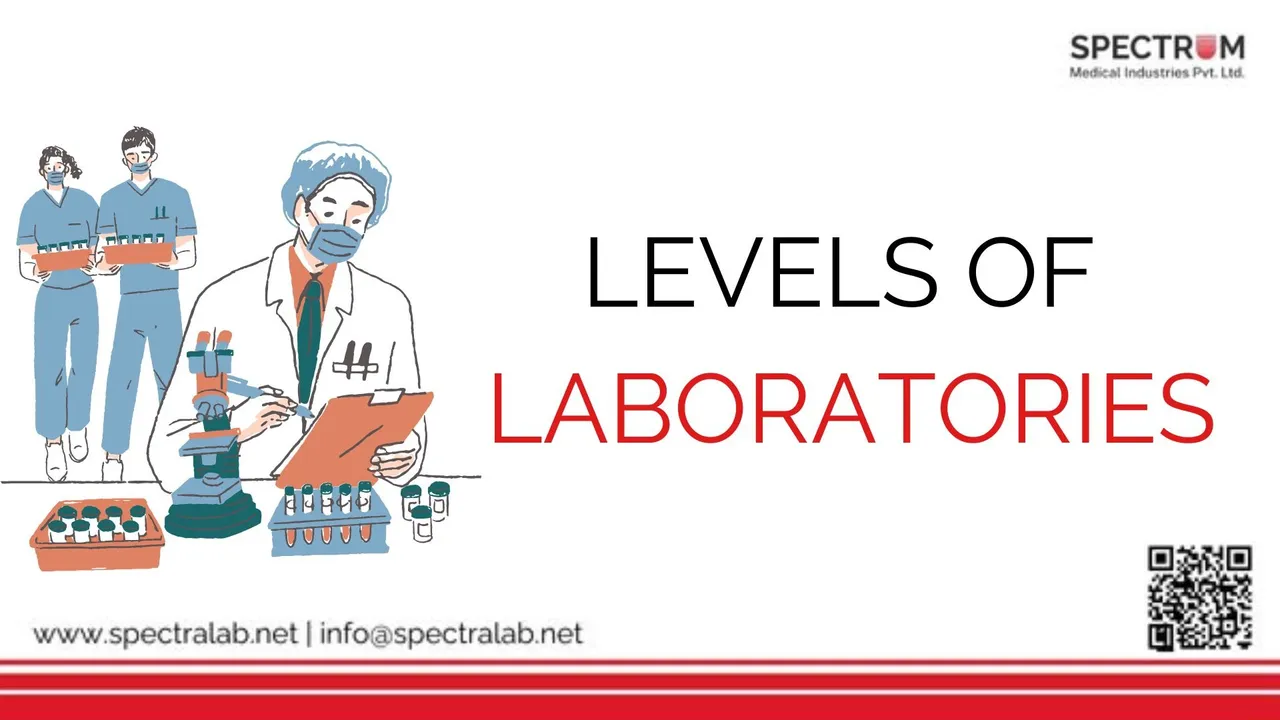
LEVELS OF LABORATORIES
In India, the laboratory services are integrated with the 3-tier public health system at the primary, secondary and tertiary levels. Besides these, there are Reference Laboratories, Research Laboratories and Specific Disease Reference Laboratories to provide services for complex and special tests. The private sector provides laboratory support at all levels of health care both in rural and urban areas. Each laboratory should identify the scope, functions and the capacity of the services offered by it and appropriate infrastructure with requisite biosafety measures should be planned. Qualified and trained staff should be employed with periodic up-gradation of their skills.